LEELA DIGITALS · WEBSITE DESIGN & DEVELOPMENT

Website Development Agency in Bangalore

Your website should make your business easy to understand—and easy to contact. We design and develop business websites, online stores and landing pages for Bangalore businesses, with clear service information, mobile-friendly layouts and practical enquiry journeys.

A clear scope. A platform that fits. A website you can maintain.

WHAT WE BUILD

Choose the website your business actually needs

A local service business needs a different journey from a product store. We start with the action you want a visitor to take, then decide what pages and features support it.

Business websites

Explain your services, show relevant work and make contacting you straightforward. We plan a homepage, service pages, company information and enquiry options around what customers need to decide—not a fixed collection of decorative sections.

Ecommerce stores

Organise products, categories and the checkout journey. We discuss variants, payment gateways, stock handling and shipping requirements before choosing a platform. Tax settings, catalogue entry and third-party integrations need an agreed scope and your business input.

Campaign landing pages

Give one offer a focused destination. A landing page should match the advertisement, answer the buyer’s main questions and lead to a clear form, call or WhatsApp conversation. Advertising management is a separate service, not automatically part of the build.

Website redesigns

Keep what works and replace what gets in the way. We review your existing content, mobile experience and important addresses before recommending a rebuild. Redirects and content migration help avoid losing useful pages when the new site launches.

PLATFORMS & EDITING

The right technology—not the longest tool list

We discuss WordPress, Shopify or WooCommerce, and React-based development according to the project. The choice should reflect how often you edit content, what integrations you need and who will look after the site.

WordPress & content-led websites

A CMS can suit businesses updating service pages and articles regularly. Discuss editor access, plugin licensing, backups and security maintenance, rather than assuming those jobs disappear after launch.

Shopify & WooCommerce stores

Compare catalogue needs, payment options, shipping integrations and recurring costs. Platform subscriptions and paid extensions are separate from design and development work.

React & custom experiences

Custom interfaces can suit more specialised workflows. We agree the content-editing approach, hosting, search rendering and long-term support before committing to a custom build.

FROM BRIEF TO LAUNCH

A website process with clear decisions

You should know what needs approval and what happens next. Content, access and feedback are part of the schedule—not last-minute extras.

  1. 01

    Discovery & scope

    Discuss your customers, current site and business priorities. Agree the page count, features, content responsibilities, budget and approval milestones in writing.

  2. 02

    Structure & design

    Map the pages and enquiry journey, then review layouts and visual direction. Confirm the included design rounds and revision limits before production starts.

  3. 03

    Development & content

    Build the agreed layouts, connect the CMS where needed and add approved text and images. Test forms and any payment or booking integrations.

  4. 04

    Quality checks

    Review phone and desktop layouts, navigation, keyboard access, readable contrast and loading behaviour. Check page titles, redirects and error states.

  5. 05

    Launch & handover

    Confirm domain and hosting access, publish the site and check enquiries again. Provide the agreed account access and guidance for everyday content updates.

  6. 06

    Support & improvements

    Agree the support period, maintenance responsibilities and response arrangements. Security updates, new pages and additional features should have a clear owner and scope.

PERFORMANCE & FOUNDATIONS

Fast, usable pages before extra features

Large images, unnecessary scripts and heavy plugins can slow a site down. We prioritise appropriately sized media, sensible loading, stable layouts and a simple mobile journey.

Core Web Vitals cover loading, interaction responsiveness and layout stability. Lab checks help find problems, but real-user performance depends on devices, networks and third-party services. We do not claim a measured score or loading time without a dated test.

Agree these essentials in your website scope

  • Responsive page layouts and accessible navigation
  • Approved service copy, images and clear enquiry options
  • CMS access and editing guidance where included
  • Working forms with spam protection and tested delivery
  • Descriptive titles, crawlable content and sitemap setup
  • Redirect planning when replacing existing URLs
  • Agreed analytics events, consent requirements and handover

Weekly business-profile posts, citation building and digital PR are not website-development deliverables. If needed, discuss ongoing SEO services separately.

DOCUMENTED WEBSITE WORK

Real websites, not placeholder examples

These two projects show service-page organisation and contact journeys. View the screenshots and read the implementation details before discussing what would suit your business.

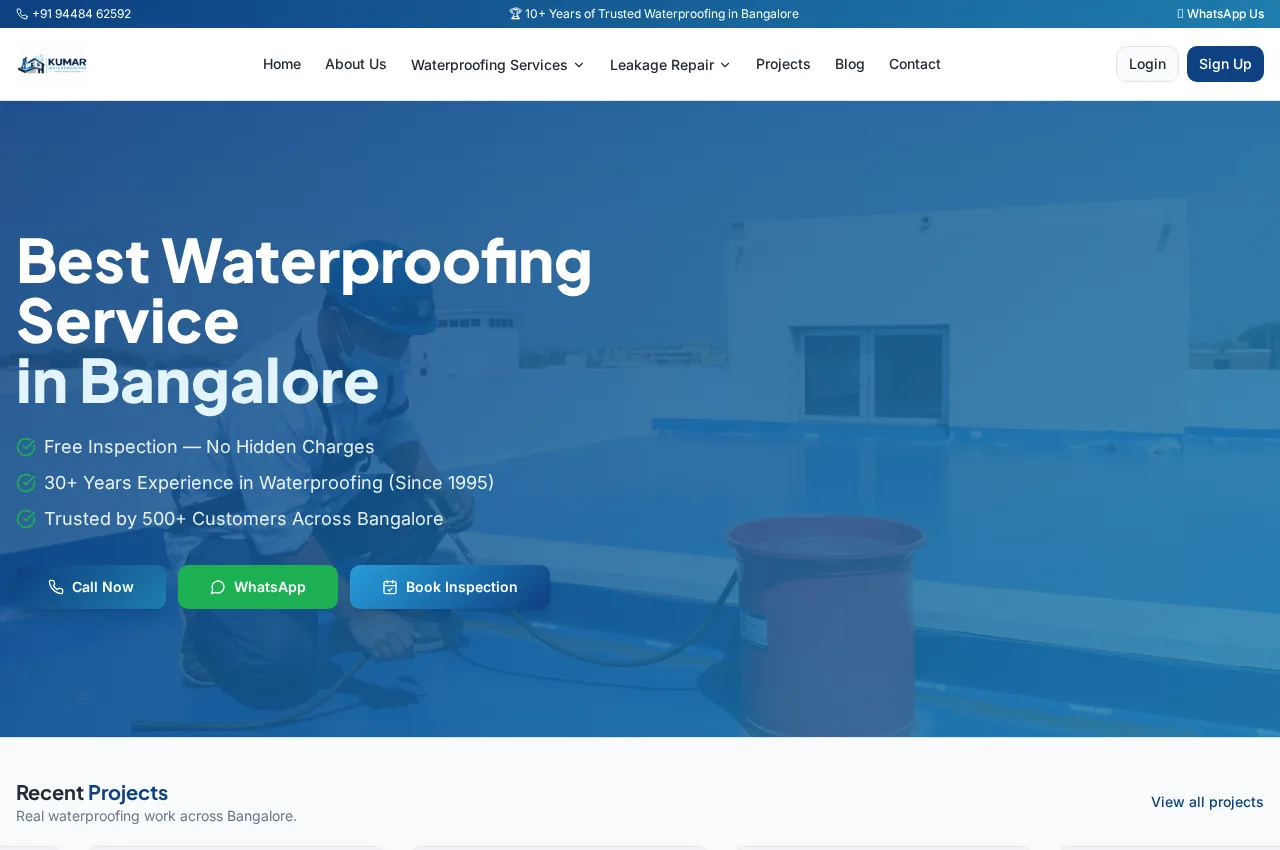
Kumar Waterproofing website showing waterproofing service information and enquiry options

Kumar Waterproofing

A service-led website that brings waterproofing information and enquiry options together. The project includes dedicated service content, contact forms, phone and WhatsApp pathways. Explore the case study for the broader project context.

Read the Kumar Waterproofing case study
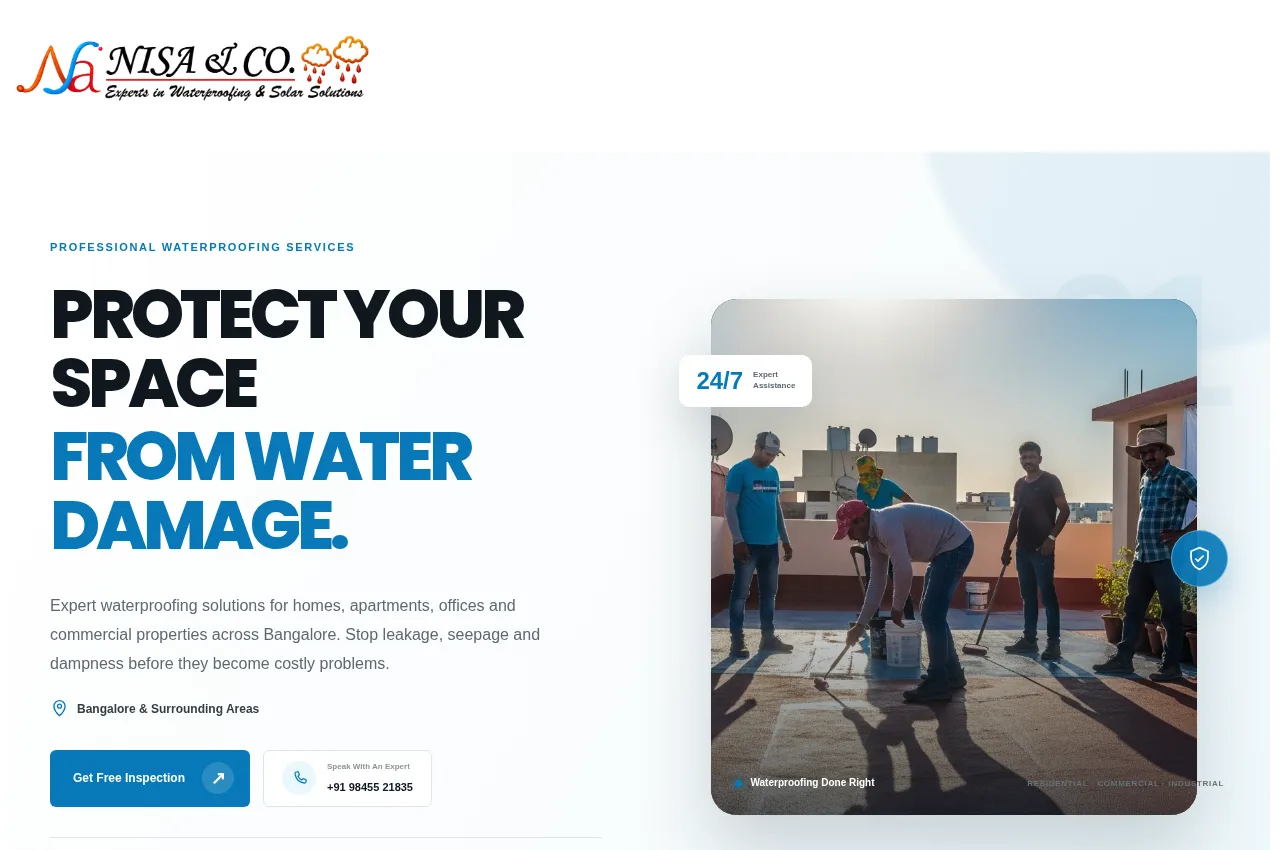
Nisa Waterproofing website showing waterproofing service information and enquiry options

Nisa Waterproofing

A mobile-first website with dedicated waterproofing service pages and contact options for homeowners and commercial enquiries. The case study explains how the website fits alongside local discovery and enquiry tracking.

Read the Nisa Waterproofing case study

Comparable, dated performance reports are not presented here, so these examples do not claim traffic increases, lead multiples or guaranteed PageSpeed scores.

BUDGET & TIMELINE

Know what you are paying for

We quote after understanding the page count, design requirements, content and integrations. There is no published fixed starting price here. Share a comfortable budget and we can discuss priorities instead of promising a large site that does not fit.

Confirm whether the quote includes copywriting, image sourcing, content entry, migration and editing guidance. Ask for recurring hosting, domain, platform and maintenance costs separately, along with the cost of extra pages or revisions.

Plan for approvals as well as development

Use 4–6 weeks as an initial planning window for a straightforward business website, and 6–10 weeks or longer for a larger store or custom build. These are estimates; the agreed features, content readiness and feedback determine the actual schedule.

Have an existing website? Share its address and the changes you need. A focused improvement may be more sensible than replacing everything.

Request a Website Proposal

BEFORE YOU CHOOSE

Website development questions

How much does a website cost in Bangalore?

The price depends on page count, design complexity, content, CMS requirements and integrations. We do not publish a fixed starting price on this page. Share your requirements and comfortable budget for a written quote. Ask for domain, hosting, paid plugins, platform subscriptions and maintenance to be listed separately.

How long does website development take?

A straightforward business website can be planned around a 4–6 week window; larger ecommerce or custom builds may need 6–10 weeks or longer. These are planning estimates, not guaranteed delivery dates. Content readiness, feedback, integrations and migration affect the schedule; your proposal should confirm milestones.

How many pages and revisions are included?

There is no universal page allowance or unlimited-revision promise. The proposal should name each page or template, the number of design review rounds, content responsibilities and the cost of additions. A product catalogue, blog template and individual service page are different types of work.

Can I edit the website myself?

If you need regular updates, we can discuss a CMS such as WordPress or a suitable store platform. A React website needs an agreed editing setup rather than assuming every page is editable. Confirm which content you can change, the access you receive and the handover guidance before choosing a platform.

Will the new website rank on Google?

We can include crawlable pages, descriptive titles, sensible internal links, a sitemap and relevant structured data in the website scope. These are foundations, not a ranking guarantee. Ongoing content, local SEO and link acquisition are separate work; Google decides whether and when to index pages.

Can you improve my existing website instead?

Yes, we can discuss an initial review. Clearer service copy, smaller images, repaired forms or a better mobile layout may solve the immediate problem without a full rebuild. A new site makes more sense when the existing platform or structure prevents essential changes.
Let’s discuss your website

Tell us about your business, current website, required pages and preferred budget. We can discuss a build, redesign or focused improvement without assuming you need every feature.

We’ll use these details to respond to your enquiry. Please do not include passwords or sensitive customer information.

Complementary services

Industry-specific customer journeys